2026-11-08 · Lucas Bennett
What Nashville Homeowners Pay for Water Damage Restoration After Spring Storms
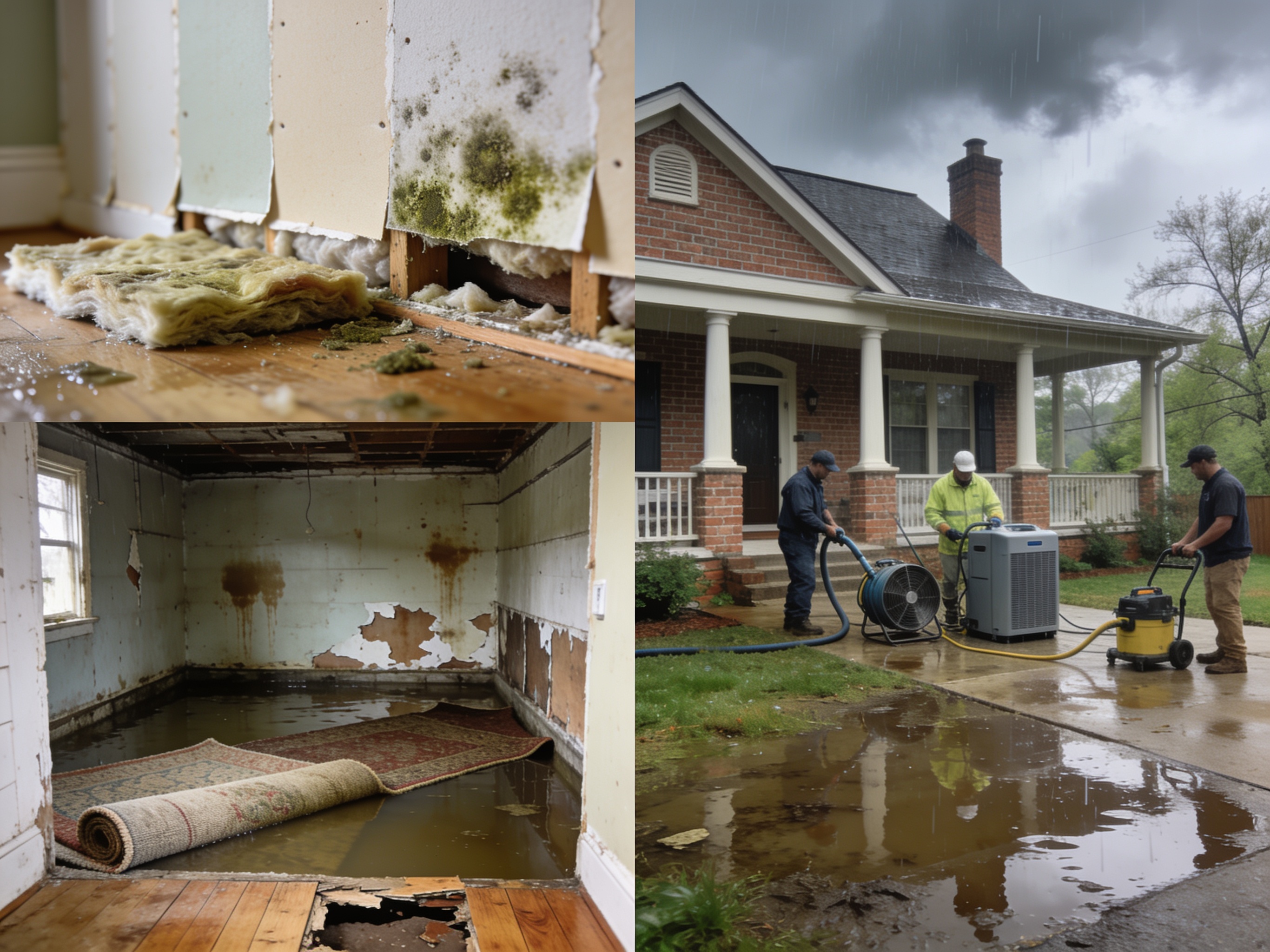
Nashville homeowners typically pay $2,500–$8,000 for water damage restoration after spring storms, with most jobs in the $3,500–$6,000 range when flooding stays under 200 square feet and affects one level. These figures cover extraction, drying, and basic repairs in single-family homes built between 1940 and 1990 that dominate East Nashville and Germantown.
Spring Storm Patterns in Davidson County
Nashville’s humid subtropical climate produces intense spring downpours that overwhelm older storm drains, especially along the Cumberland River corridor. Homes in low-lying sections of Donelson and The Gulch often see water enter through foundation cracks or window wells after 2–3 inches of rain in under an hour. The cool winters preceding these storms leave soil saturated, so spring runoff moves quickly into basements and crawl spaces rather than soaking in. This pattern means crews must address both surface water and hidden moisture trapped behind plaster or hardwood floors common in pre-1960 construction. Delaying extraction even 24 hours raises the chance that drywall and subfloors will need full replacement instead of drying.
Price Ranges for Typical Restoration Tasks
Minor cleanup limited to carpet and pad removal plus drying usually falls between $1,800 and $3,200. When water reaches subflooring or requires antimicrobial treatment in a 400-square-foot area, costs move to $4,000–$5,800. Full structural drying after water has wicked into walls in a two-story East Nashville home often lands between $6,500 and $8,500. These numbers reflect current local labor and equipment rates rather than national averages. Larger jobs in Belle Meade or Green Hills that involve multiple rooms or require temporary power can exceed $10,000 once permits and disposal fees are added.
How Local Housing Stock Changes the Job
East Nashville and Germantown contain many balloon-frame houses with plaster-over-lath walls that absorb water differently than modern drywall. Removing and replacing plaster adds time and cost compared with simply drying sheetrock. Downtown and West End high-rises built in the 1980s often route plumbing through concrete slabs, so a leak under tile can require slab access that pushes totals higher. In contrast, newer builds in Donelson tend to have accessible crawl spaces that allow faster drying but still need dehumidification for several days because of Nashville’s high spring humidity. Crews working in the Gulch frequently deal with shared walls, which means containment barriers and neighbor coordination add steps not required in standalone homes.
Steps Homeowners Can Take to Control Final Costs
Document every affected area with dated photos before any work begins. Move furniture and belongings out of the water path immediately so technicians can reach baseboards and flooring edges without delay. Keep windows closed during the first 48 hours to prevent humid outside air from slowing the drying process. Homeowners who contact a restoration team within four hours of noticing water usually avoid the need for full wall demolition. For readers dealing with related winter issues, the article How to Handle Burst Pipes During Nashville Winters outlines preventive steps that also reduce spring storm expenses. When mold appears after humidity lingers, Preventing Mold Growth After Basement Flooding in Nashville's Humid Summers provides guidance on early intervention.